
Advanced Assisted Reproductive Techniques
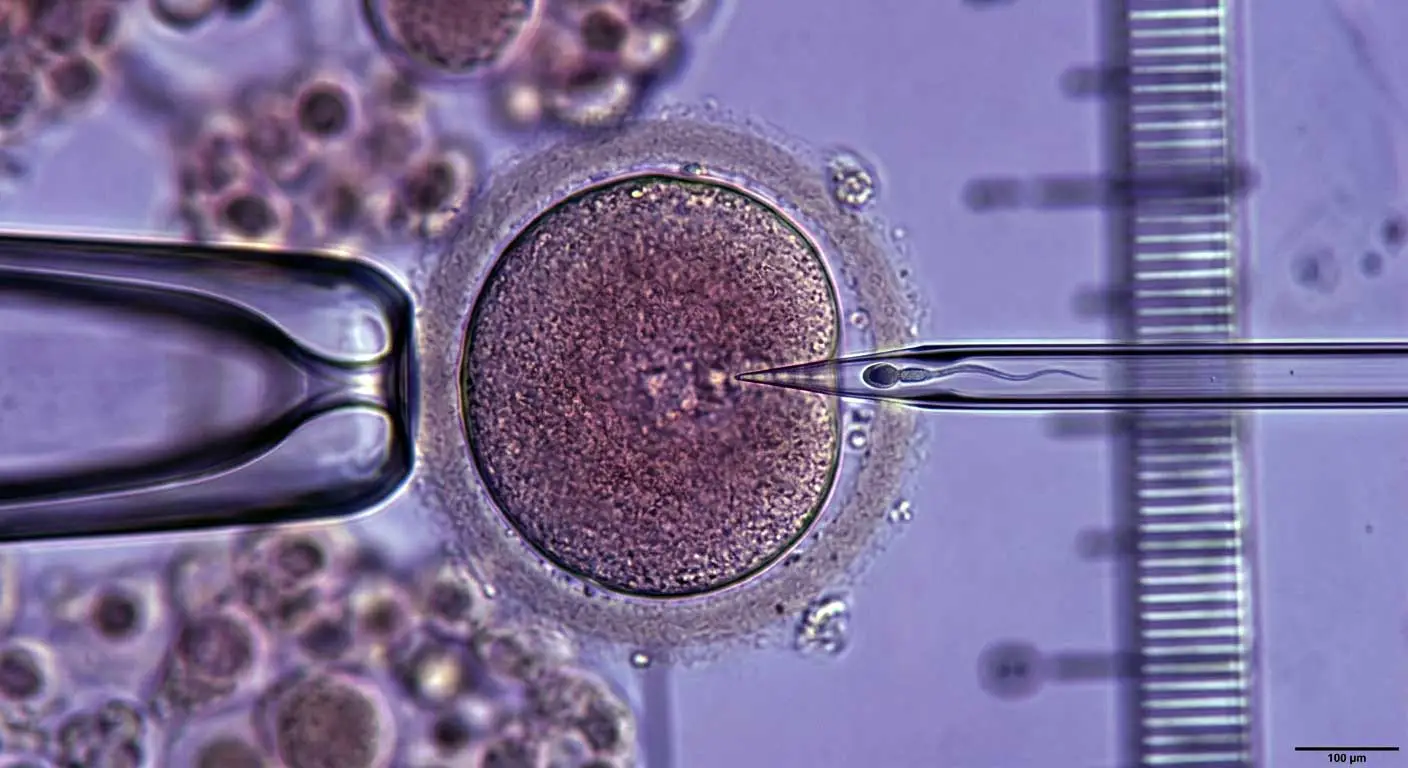
ICSI
ICSI – Intracytoplasmic Sperm Injection
ICSI is a procedure when an embryologist selects the optimal sperm and injects it directly into the oocyte thus facilitating fertilisation.
A patient provides a semen sample or undergoes a testicular biopsy to extract and select the best sperm that will be used to fertilise the oocytes.
Advanced Sperm Selection
MACS – Magnetic-Activated Cell Sorting
MACS is a technique, which allows for the selection of sperm with the best characteristics, eliminating those destined to die without achieving fertilisation and choosing the healthiest, thus increasing the chances of pregnancy.
- Vulvar lichen sclerosis
- Vulvovaginal atrophy
- Sexual dysfunction
- Stress urinary incontinence
ZyMot Sperm Selection
ZyMot is a cutting-edge technology used to select and prepare only motile and healthiest sperm, effective separate them from lower-quality sperm.
This method is designed to enhance the chances of successful fertilisation and pregnancy by selecting sperm with low DNA fragmentation and high motility.
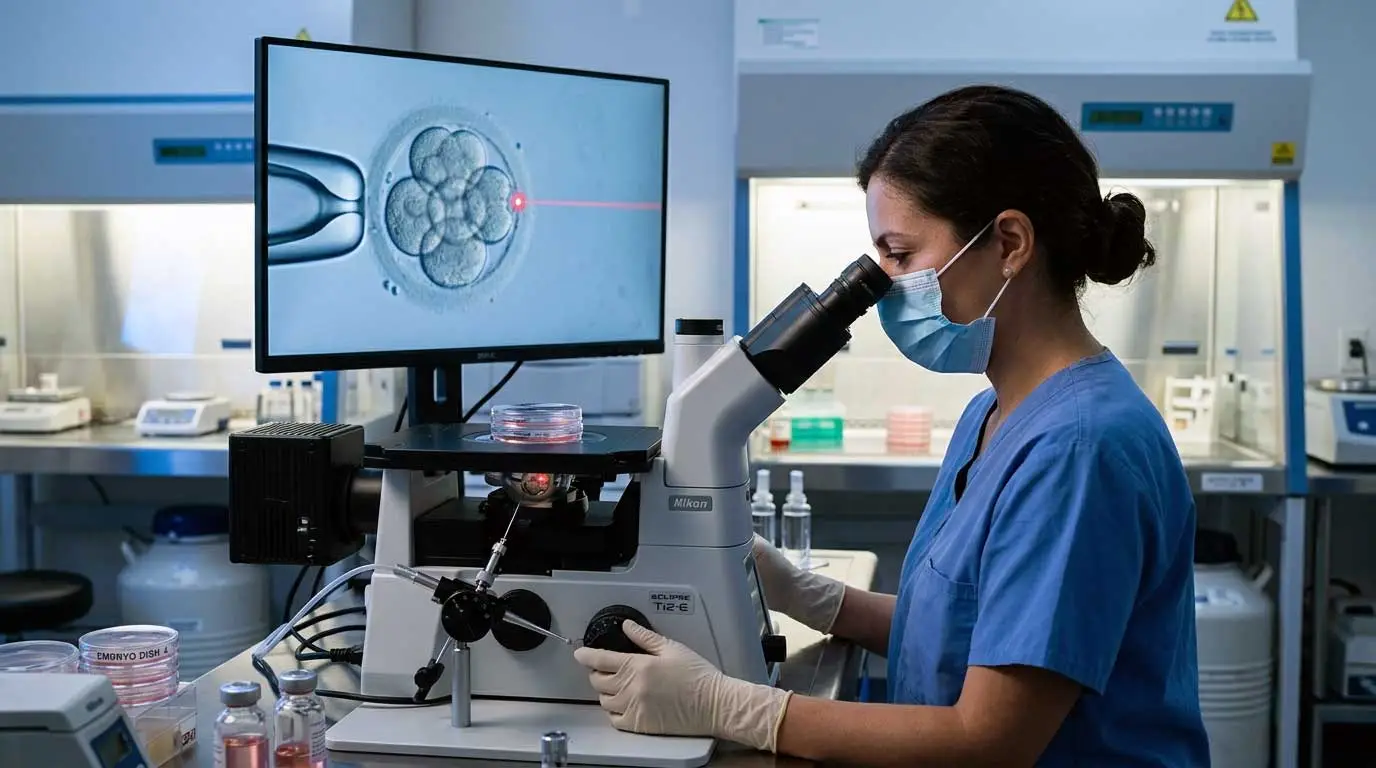
Assisted Laser Hatching
This method involves using a laser to thin the zona pellucida (embryo’s outer shell) in order to make it easier for the embryo to shed it’s cell coat and implant (attach to the uterus), thus improving high pregnancy rates.
The man provides a semen sample or undergoes a testicular biopsy to extract and select the best sperm that will be used to fertilise the oocytes.
Time-Lapse Embryo Imaging
Time-lapse imaging is a transformative technology, which offers continuous, non-invasive embryo assessment through morphokinetic profiling.
Benefits of Time-Lapse Embryo Imaging
- Reduced embryologist subjectivity
- Continuous monitoring of embryo development
- Detection of dynamic developmental patterns
- Additional information to support embryo selection
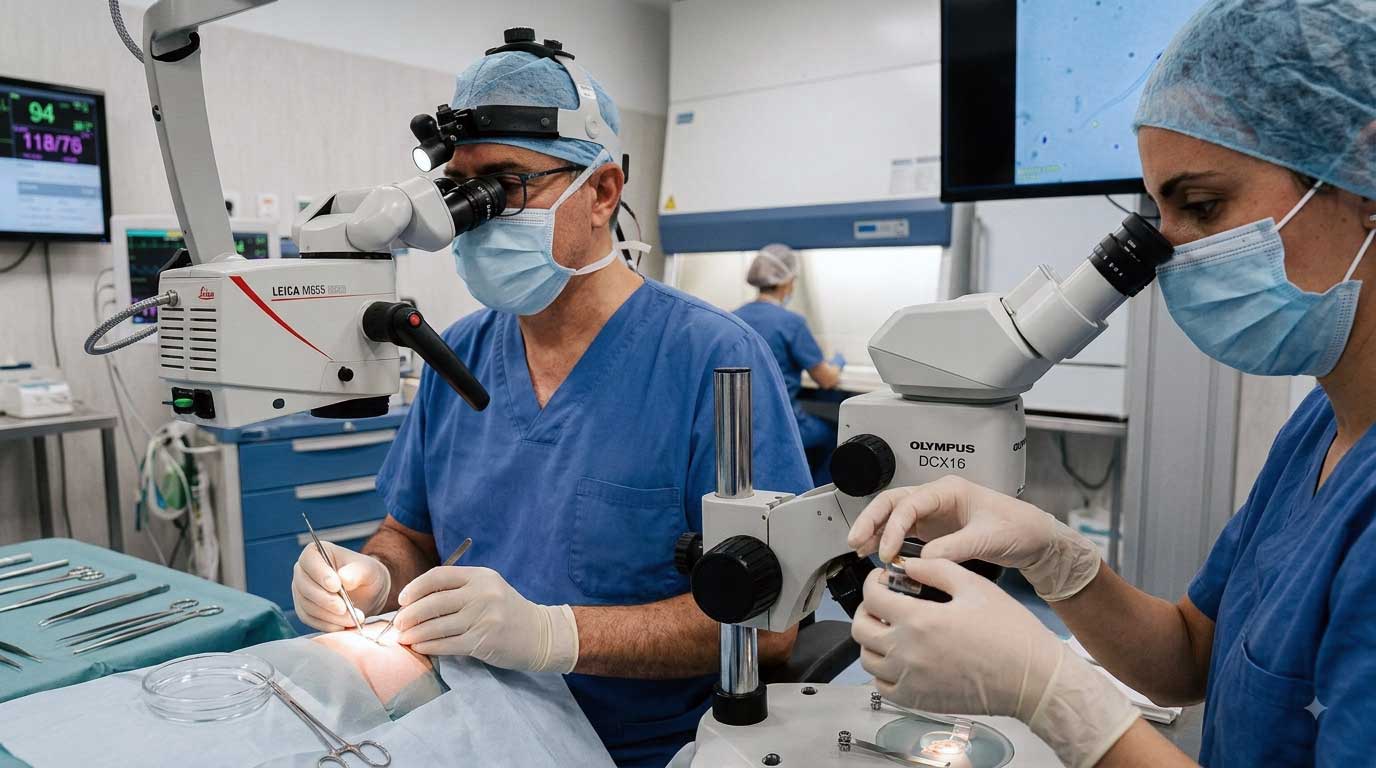
Microsurgical Sperm Extraction
This technique is used in patients with severe male factor infertility and involves extraction/aspiration of sperm from a testicle or epididymis.
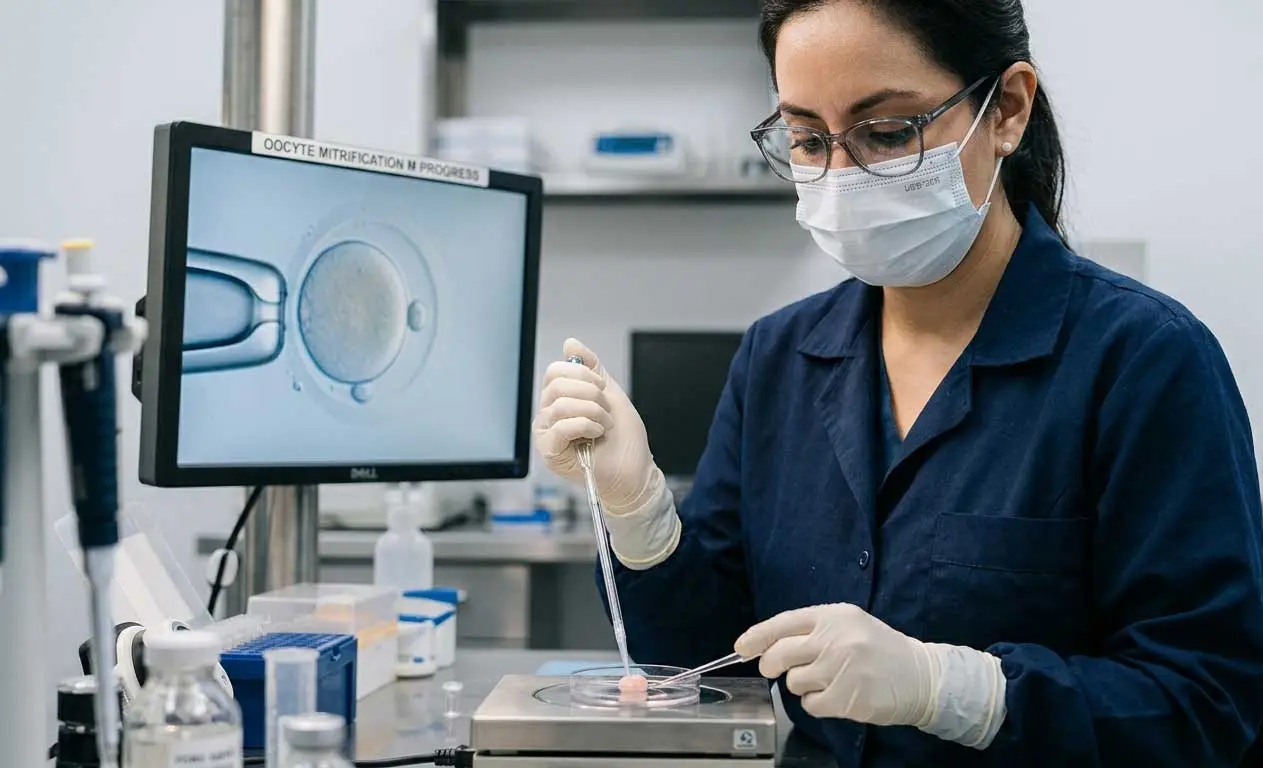
Oocyte Vitrification
It is a laboratory procedure that allows the patient's oocytes to be preserved over time.
This is achieved by subjecting them to low temperatures, which keep their properties intact until they are thawed.
This procedure is far superior to older freezing methods, as it prevents the formation of ice crystals, which could damage the cells.
The technique is also used at our cryobank to preserve donor oocytes and provide each patient an immediate access to a vast variety of donor material.
“Every stage of your life deserves thoughtful, personalised care designed around you”
Genetic Matching
Genetic matching is based on genetic compatibility testing and helps identify whether prospective parents or donors share genetic variants associated with recessive inherited conditions.
What Is Genetic Compatibility Testing?
Genetic matching is based on the genetic compatibility test.
Most people are not aware that they are carriers of genetic diseases.
The genetic compatibility test screens for more than 300 genetic disorders before pregnancy, preventing the possibility of transmitting diseases to children.
Some babies are born with lifelong — sometimes debilitating — diseases or disorders. Called autosomal recessive diseases, these diseases are inherited from seemingly healthy biological parents.
Most people carry gene mutations responsible for genetic disorders, but since the disorders are recessive, they live generally healthy lives. That’s the good news.
Here’s the bad news: because most people are not aware that they are carriers, there is a chance that their child will develop the disorder.
Since many of these conditions are chronic and incurable, there is a need for a pre-pregnancy genetic compatibility screening that will determine potential parents’ risk of passing on a disease to their future child.
If a couple happens to carry the same mutation that causes a disorder, there is a 25% risk that their child will develop the disorder.
The role of the Genetic Compatibility Test (GCT) is to prevent this from happening.
At INICIO FERTILITY all the egg and sperm donors go through a genetic carrier testing for a great number of diseases, what helps perform genetic matching with the patient and avoid genetic diseases in the child.
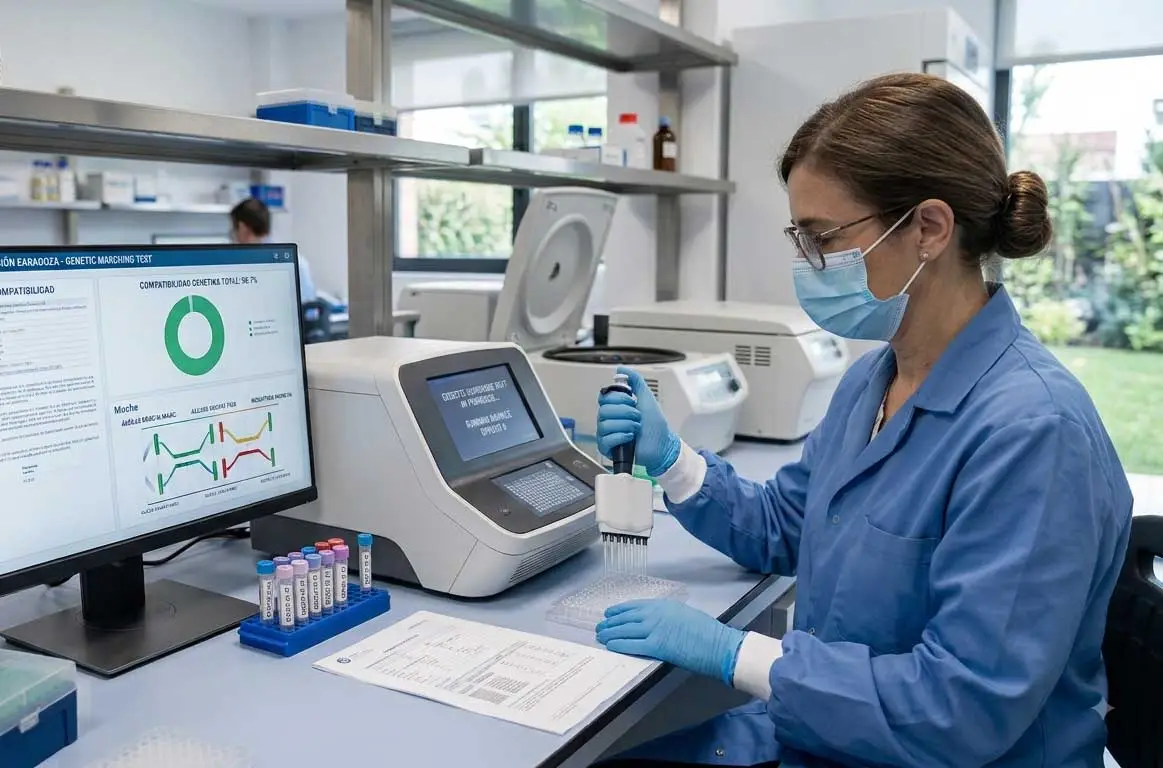
How Does Genetic Matching Work?
Most people are unaware that they carry genetic variants associated with recessive diseases. When both biological parents carry the same pathogenic variant, there may be a risk of passing the condition to their child.
What Happens If Both Parents Carry the Same Mutation?
When both partners carry the same mutation responsible for an autosomal recessive condition, there is a 25% probability that their child will inherit the condition.
Genetic Matching with Egg and Sperm Donors
At INICIO FERTILITY, egg and sperm donors undergo genetic carrier screening to support genetic matching with patients and help reduce the risk of transmitting certain inherited diseases.


